Trauma-informed movement · Australia

Trauma-informed movementfor addiction recovery.

Helping people reconnect with their bodies through safe, achievable movement that supports nervous system regulation, wellbeing and long-term recovery.
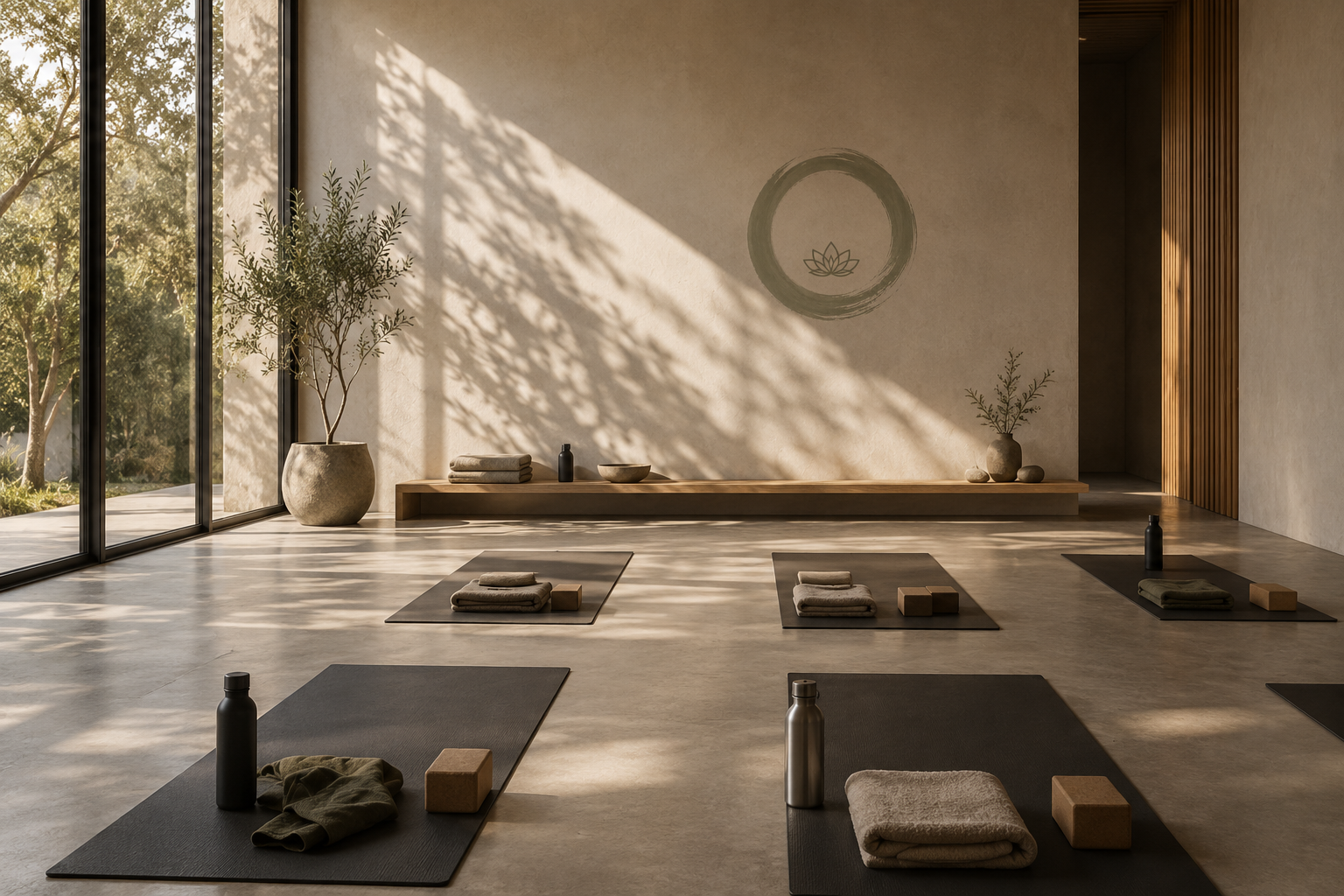

A quiet studio in warm morning light — mats, bolsters and folded towels arranged before class, with the Recovery Movement mural on the wall.
Participants arriving to a light-filled studio — mats being unrolled, tea in hand, quiet conversation.

Our philosophy

Recovery grows through moments of safety, connection and confidence. We believe recovery begins when people feel safe enough to reconnect with themselves. Every Recovery Movement session is intentionally designed to create the conditions that support healing through compassionate, evidence-informed movement and genuine human connection.

Why Recovery Movement

Movement designed for recovery. Delivered with compassion and purpose.

01CARE

Trauma-informed

Every Recovery Movement session is grounded in the principles of trauma-informed care. Safety, choice and empowerment guide every interaction, creating an environment where participants can engage at their own pace and rebuild confidence through movement.

02SCIENCE

Evidence-informed

Our programs draw on current research in trauma-informed care, nervous system regulation and movement science. Every session is intentionally designed to complement therapeutic care with practical, accessible movement that supports whole-person recovery.

03CONNECTION

Recovery Informed

Our facilitators bring together specialised training, professional experience and a genuine understanding of recovery. Whether through lived experience, clinical practice or professional education, every team member shares a commitment to creating spaces where people feel respected, understood and supported.

Our approach

Creating the conditions for recovery.

  1. 01

    Safety

    Every session creates a welcoming and predictable environment guided by choice, respect and compassion. Participants are supported to engage at a pace that feels right for them.

  2. 02

    Regulation

    Guided breathing, grounding and purposeful movement support nervous system regulation, helping participants feel calmer, more present and ready to engage in their recovery.

  3. 03

    Awareness

    Purposeful movement encourages participants to reconnect with physical sensations, emotions and internal cues through curiosity, body awareness and self-compassion.

  4. 04

    Confidence

    Adaptable and achievable movement creates opportunities for success, strengthening self-belief and helping participants build trust in their own capabilities.

  5. 05

    Connection

    Shared movement experiences encourage belonging, genuine human connection and supportive relationships that strengthen the recovery journey.

Partnering with recovery services

Flexible partnerships, designed around your service.

Recovery Movement works alongside rehabilitation, withdrawal, hospital and community services to create consistent movement programs that complement existing therapeutic care. From one weekly session to multiple sessions across a program, every partnership is shaped around your participants, clinical model and recovery goals.

01

Private residential rehabilitation

Ongoing weekly or multi-session programs designed to become a consistent part of the therapeutic timetable, supporting regulation, confidence and connection throughout residential treatment.

Weekly or multiple sessions

02

Withdrawal services

Adaptable movement experiences that support grounding, body awareness and engagement during stabilisation and early recovery, delivered in step with clinical care.

Tailored clinical delivery

03

Hospital and mental health services

Evidence-informed movement programs developed alongside multidisciplinary teams to support whole-person wellbeing within clinical and therapeutic environments.

Integrated programs

04

Community and continuing care

Regular movement programs that help participants strengthen healthy routines, connection and confidence as they continue their recovery beyond residential treatment.

Ongoing community support

05

Staff wellbeing

Purposeful movement and regulation-focused sessions that support the wellbeing of clinicians, nurses, facilitators and support teams.

Team wellbeing sessions

Built for long-term partnerships

A program that can grow alongside your service.

Recovery Movement can begin with a single regular session and expand into multiple weekly classes, workshops, staff wellbeing and tailored program delivery. We provide the planning, professional facilitation, equipment and ongoing communication required to make implementation simple and consistent.

Discuss a tailored partnership
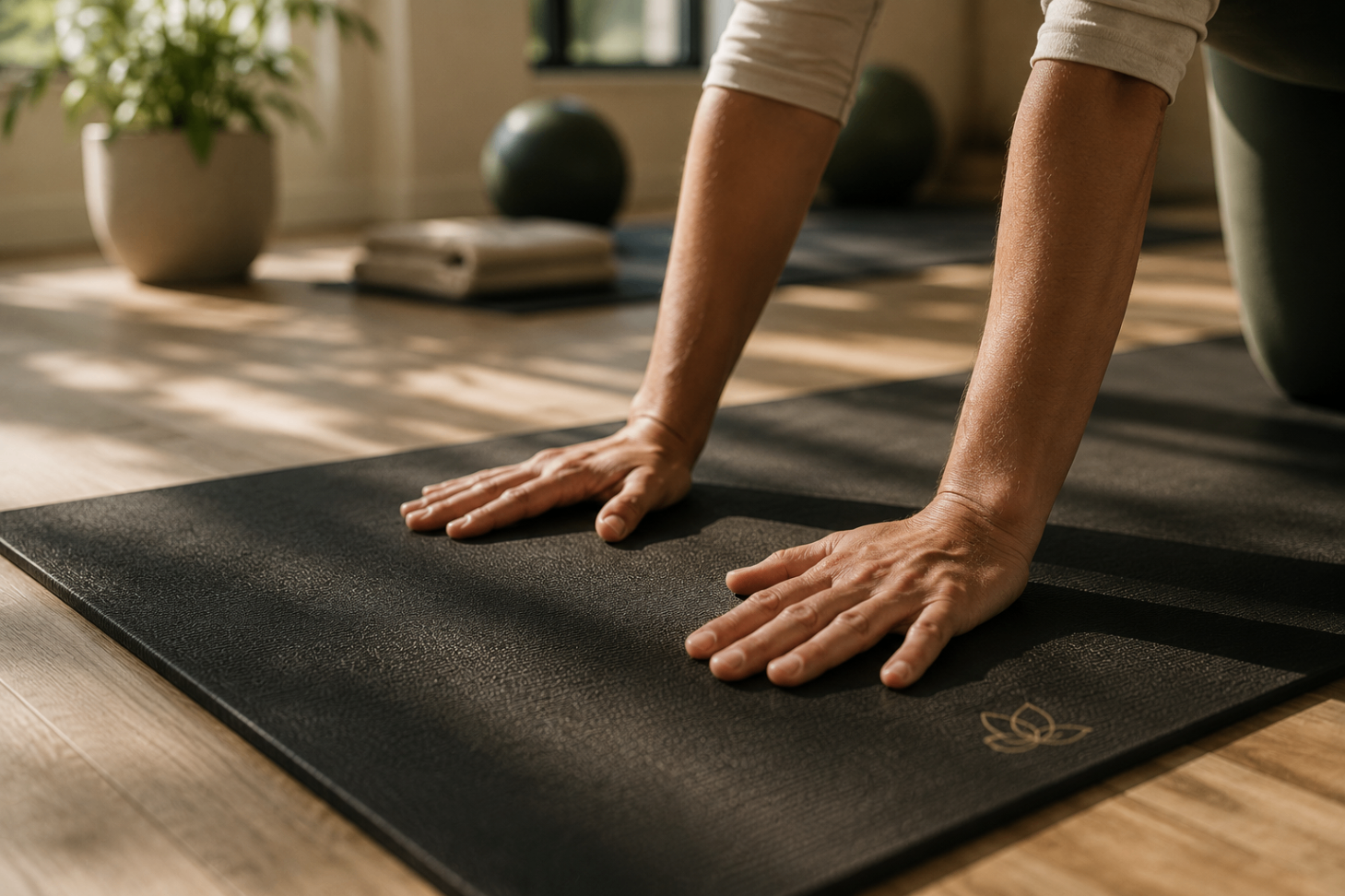
Close-up of hands resting gently on a dark movement mat in warm natural light.

Our programs

Movement that meets people where they are.

Every Recovery Movement session is grounded in the same philosophy: creating a safe, welcoming space where participants can reconnect with themselves through movement.

Every session is thoughtfully adapted to the people in the room—meeting them with curiosity, choice and compassion, exactly where they are that day.

  1. 01

    Arrive

    Participants are welcomed into a calm environment where they can slow down, arrive in their body and begin to feel safe. Sessions open with breath, grounding and gentle connection—there is no expectation to perform, only space to be.

    Bare feet resting on a dark movement mat in warm natural light at the start of a session.
  2. 02

    Move

    Sessions combine strength, mobility, balance and nervous system regulation through thoughtfully adapted movement. Every session is adaptable and inclusive, supporting body awareness, confidence and connection—participation over performance.

    Adults taking part together in accessible, trauma-informed movement during a Recovery Movement session.
  3. 03

    Carry forward

    Participants often leave feeling calmer, more connected and more confident than when they arrived. Movement becomes something they can continue to explore beyond the session, supporting their wider recovery journey.

    Two people talking warmly at mat level after a Recovery Movement session.

Every program includes

  • Professional facilitation

  • Trauma-informed delivery

  • Equipment provided

  • Program planning

  • Ongoing communication

  • Regular review and refinement

  • Qualified and insured facilitators

Recovery Movement programs can be delivered weekly, multiple times each week or tailored to the needs of your service, integrating seamlessly into existing therapeutic programs.

Why movement matters

Where evidence becomes experience. Recovery is a whole-person process. Movement creates another pathway to support engagement, confidence and lasting change.

01

Participants feel safer.

Predictable structure, choice and purposeful movement help create the conditions for nervous system regulation. When participants feel safer and more settled, they may be better able to engage with therapy, relationships and the wider recovery program.

02

Participants stay engaged.

Accessible and achievable movement creates opportunities for success. These positive experiences can strengthen confidence, encourage participation and help people remain connected to the broader therapeutic program.

03

Recovery can be practised through movement as well as conversation.

Movement gives participants another way to experience regulation, body awareness and connection. Recovery skills are not only discussed — they are practised and experienced through the body.

Strengthening the work you are already doing

Designed to sit alongside therapeutic care.

Every Recovery Movement session is intentionally developed to complement counselling, psychology, nursing and therapeutic care. It creates another opportunity for participants to practise regulation, build confidence and strengthen connection throughout recovery.

Our practice is informed by recognised principles across recovery science, nervous system regulation, movement science and addiction recovery.

Participants standing at the front of their mats during a Recovery Movement session.

Voices of Recovery

Participants · Clinicians · Service Partners

Every Recovery Movement session is experienced differently. Yet people often describe remarkably similar feelings when they leave.

Reflections shared by participants, clinicians and recovery partners following Recovery Movement sessions. Participant feedback is always anonymous.

I felt connected to my body.

Participant

A valued part of our treatment model.

Residential Rehabilitation Service

Amazing.

Participant

We’ve seen young people leave sessions feeling calmer, more empowered and better equipped.

AOD Clinician · Youth Withdrawal Service

It has been an invaluable addition to our therapeutic care.

AOD Clinician · Youth Withdrawal Service

I felt stronger. I didn't think I could do that.

Participant

The facilitators bring professionalism, empathy and lived experience, creating a safe and supportive space.

Residential Rehabilitation Service

We’ve seen first-hand how this work supports improved mood, body awareness and self-regulation.

Program Director · Residential Rehabilitation

What participants are telling us

What participants consistently tell us following their sessions.

Calmer

More relaxed

More connected

Stronger

Less stressed

Would attend again

Anonymous participant feedback collected following Recovery Movement sessions.

Let's start with a conversation

Every recovery service is different.So is every Recovery Movement partnership.

Every meaningful partnership begins with understanding.

An introductory meeting gives us the opportunity to learn about your participants, your therapeutic approach and the goals of your service. Together, we'll explore how Recovery Movement could complement the important work you're already doing and create a program that feels right for your organisation.

We'd love the opportunity to meet you and hear your story.